

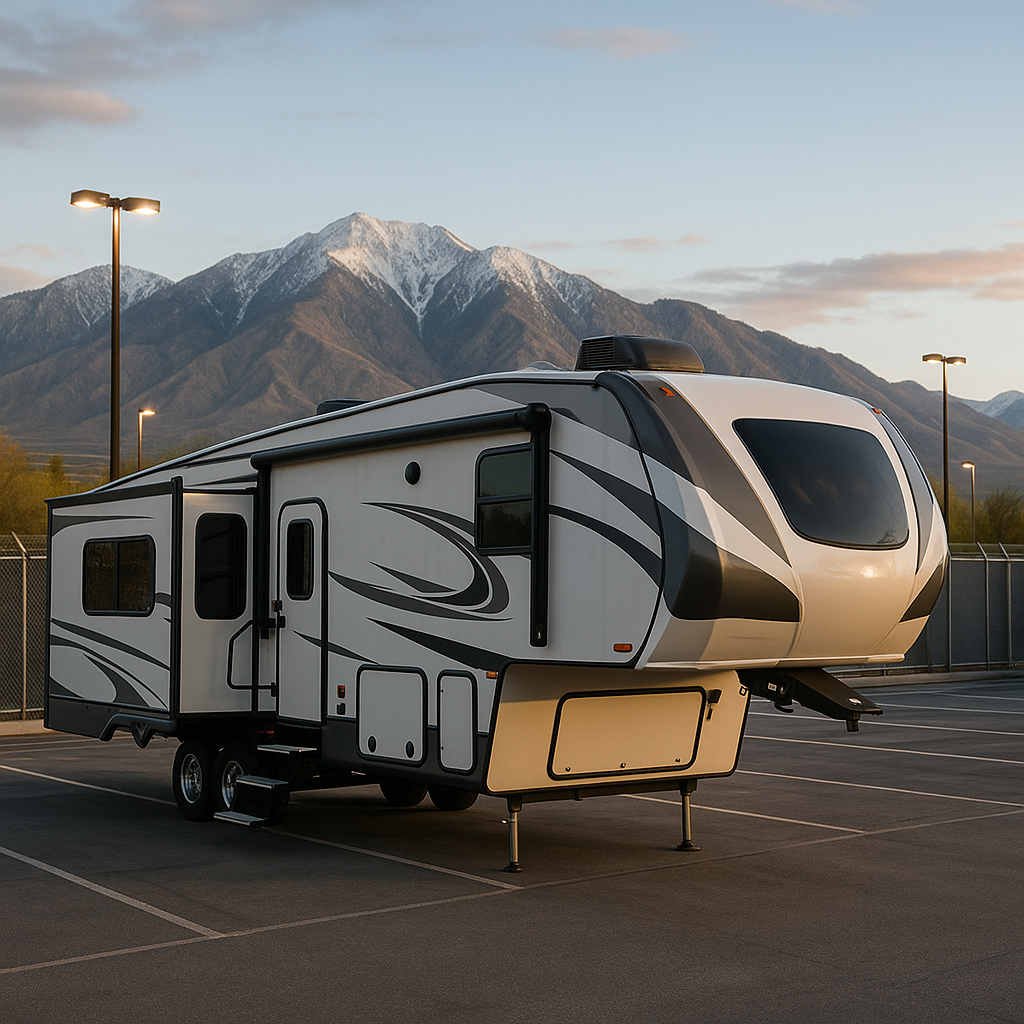
When most people search 5th wheel insurance cost, they’re really asking the same question: “Why is it so hard to pin down, and what can I do to make it more affordable?” At PTL Insurance, we help South Florida owners understand what truly drives premium—and how to shop smart so you’re not paying for coverage you don’t need.
In this guide, I’ll break down the main factors that affect a fifth-wheel trailer policy, explain why two quotes can look wildly different, and share practical steps we use to build a plan that fits your rig, your budget, and your risk tolerance. Along the way, I’ll point out where carriers like Progressive may evaluate pricing assumptions, so you know what to have ready for an accurate quote.
What impacts 5th wheel insurance cost?
There isn’t one universal number for a 5th wheel policy. Instead, insurance carriers price based on the vehicle, the way you use it, and where it spends time. That’s why your cost can change if you switch from part-time travel to more frequent storage in one location—or if you upgrade equipment.
Carriers also look at how you’re likely to file claims, which comes from your driving history and your coverage selections. For example, Progressive explains that RV insurance pricing depends on things like your location, driving history, the year/make/model, and coverage selection. ([progressive.com](https://www.progressive.com/rv-insurance/fifth-wheel-trailer-insurance/?utm_source=openai))
Your fifth wheel (year, make, model, value)
Your trailer’s value is the foundation of the premium. A newer fifth wheel typically costs more to repair or replace, which can raise your comprehensive and collision-related pricing.
But value isn’t just the sticker price. Carriers also consider how expensive it is to source parts, how labor-intensive repairs can be, and whether your unit has features that increase repair complexity. High-end cabinetry, specialty flooring, upgraded suspension, or premium finishes can matter.
We also pay attention to meaningful upgrades. If you’ve added upgraded appliances, advanced electronics, or specialty equipment, the policy may need to cover those items. If you insure only the “base” unit, you could end up with gaps.
That’s why we encourage owners to think beyond “what I paid” and focus on “what it would cost to replace.” Replacement cost is where underwriting becomes real.
How you use the trailer (part-time vs full-time)
Usage matters more than many owners expect. Part-time travel, seasonal storage, and full-time RV living all change the risk picture, especially around liability and physical damage.
If you treat your 5th wheel like a home for extended periods, you may need different coverage assumptions than a trailer that’s mostly on the road. Full-time or near-full-time usage can increase the time belongings are exposed and can change how carriers think about theft risk, personal effects coverage, and liability exposures.
Even within part-time use, there are differences. A trailer used every other weekend and stored in a driveway may present a different profile than one stored in a monitored facility most of the year.
We’ll ask clear questions to make sure your policy matches real-life use—not just how you wish you used it.
Where it’s stored (and what that storage environment looks like)
Location is one of the biggest reasons quotes vary. The cost can depend on theft frequency, weather exposure, and even the characteristics of your storage arrangement.
For example, risks aren’t the same for a rig parked in a guarded facility versus left exposed outdoors. The storage environment can also influence deductibles and underwriting decisions.
In South Florida, weather patterns can affect how carriers think about comprehensive losses. Storage that offers better protection from wind-driven debris, flooding exposure, or prolonged moisture can sometimes support a more favorable risk assessment.
Storage isn’t just “where.” It’s also “how.” Is the trailer kept under cover? Is it in a locked yard? Is there controlled access? Is it routinely monitored? Those details can influence both pricing and the options carriers are willing to offer.
Your towing setup and driving history
Even when you’re insuring the fifth wheel itself, carriers commonly consider the overall towing picture—especially if there’s a history of claims. Progressive notes that driving history is one of the factors that impacts RV insurance cost. ([progressive.com](https://www.progressive.com/answers/rv-101/?utm_source=openai))
In our process, we help you gather the details that make an application complete: tow vehicle info, typical routes, and how you plan to use the rig throughout the year.
We also look at how the trailer is actually handled. Are you towing with the recommended equipment? Do you travel on highways regularly or mostly local roads? Do you have a consistent towing routine? These “real world” details help carriers estimate loss likelihood more accurately.
If you’ve had prior claims, we’ll talk through how they affect underwriting. Sometimes the solution isn’t simply “pay more”—it may be adjusting coverage, improving documentation, or tightening up risk controls so the next quote reflects the current reality.
Coverage choices that raise or lower your premium
If you want to control 5th wheel insurance cost, you have to understand the levers you can pull. Two owners can have the same rig, but their costs can differ because one chooses more protection (or different protection) than the other.
Here are the most common coverage elements we review with you.
Comprehensive vs collision (and the deductible strategy)
Most fifth-wheel policies include damage protection similar in concept to auto insurance: comprehensive for non-collision events and collision for impacts. Your deductibles can significantly affect your out-of-pocket cost when something happens.
For Florida consumers, comprehensive (often referred to as “Other than Collision” on auto policies) can cover risks like theft and weather-related damage. ([myfloridacfo.com](https://myfloridacfo.com/docs-sf/consumer-services-libraries/consumerservices-documents/understanding-coverage/consumer-guides/english—automobile-insurance-toolkit.pdf?sfvrsn=6b999793_4&utm_source=openai)) While an RV policy isn’t the same product as an auto policy, the concept of comprehensive-style coverage is a helpful way to think about deductibles and risk categories.
Our goal is to align your deductible with your realistic comfort level. If a higher deductible lowers your annual premium, we’ll make sure you still have enough savings to handle a claim.
The key: a deductible isn’t just a number—it’s a decision about what you’ll pay if the worst happens. We help you balance premium savings with the likelihood of needing to use the coverage.
Liability limits and “what happens if…”
Liability protects you financially when you’re responsible for bodily injury or property damage. If someone gets hurt or there’s damage connected to your trailer (or your setup), liability coverage can keep a bad day from becoming a long-term financial problem.
We help you decide limits based on your personal risk tolerance and your lifestyle. We don’t just sell maximum coverage—we build the right coverage.
It also helps to think through scenarios: what if a visitor is injured during loading/unloading? What if your trailer causes property damage while parked? What if an incident occurs while you’re using your rig at a campground or storage facility?
Liability decisions can affect both premium and peace of mind. If you’re trying to keep costs down, we may adjust limits strategically while still keeping you protected where it matters most.
Personal effects and optional endorsements
Some policies include coverage for certain personal belongings. Others may require endorsements or scheduled options to properly protect high-value items.
When you tell us what you carry—tools, cameras, specialized gear, or expensive valuables—we’ll help you choose the coverage approach that makes sense for how you travel.
Many owners underestimate how quickly personal property adds up. A single trip can include electronics, outdoor equipment, and items that are difficult to replace. If you have gear you rely on for work or hobbies, it’s especially important to document it.
How Progressive and other carriers evaluate your 5th wheel
Many owners want to know how popular carriers think about pricing. For example, Progressive outlines that fifth-wheel trailer insurance pricing depends on factors such as your age, location, driving history, coverage selection, and the trailer’s year/make/model. ([progressive.com](https://www.progressive.com/rv-insurance/fifth-wheel-trailer-insurance/?utm_source=openai))
So when you request a quote, the “right” answer isn’t just picking a random coverage level. It’s giving accurate information and ensuring your coverage decisions match your actual risk profile.
When information is incomplete, carriers may use assumptions that don’t reflect your real world. That can lead to a quote that’s either higher than necessary or, worse, a policy that doesn’t provide the protection you expected.
An “aircraft insurance quote” mindset for RVs
You might be wondering why I brought up an aircraft insurance quote analogy. The connection is the underwriting mindset: insurers price around the details that determine loss frequency and severity.
When you’re shopping any specialty policy—whether it’s an RV trailer or an aircraft—you’ll get better results when you provide consistent information, list high-value equipment, and clearly describe how the asset is used. That’s the disciplined approach we apply at PTL Insurance when we work up your 5th wheel insurance cost estimate.
In other words: better inputs usually lead to better outcomes. The quote process isn’t meant to be mysterious; it’s meant to be accurate.
The biggest hidden driver of 5th wheel insurance cost: storage and loss prevention
For many owners, the “hidden” driver of premium isn’t the trailer—it’s the environment around it. If you can reduce the chance of theft or damage, you may be able to support more favorable underwriting decisions.
Carriers understand that storage conditions affect loss frequency. The more you can demonstrate that your trailer is protected, the more likely you are to receive pricing that reflects that reality.
Owners often leave money on the table—not because they chose the wrong policy, but because they didn’t share the right details about how their trailer is secured.
3pl safety and security: a practical way to strengthen your risk profile
You may have heard the term 3pl safety and security in logistics, but the principle applies to how you store and protect high-value gear. If your storage provider uses documented access controls, cameras, secure fencing, managed entry, and consistent procedures, those details can help explain why your risk may be lower than a “no controls” setup.
In real life, it helps to know:
- How access is controlled (key cards, gate codes, monitored entry)
- Whether the site is monitored (cameras, on-site staff, lighting)
- How the trailer is stored (indoor vs outdoor, covered vs uncovered)
- Whether there are written security procedures
When you share these details, it becomes easier for carriers to price your policy on a more accurate risk picture.
And if you don’t have documentation, we can still help you gather what you can—photos, written descriptions, or a quick confirmation from the facility. Underwriting often responds well to specifics.
How to get better pricing (without accidentally underinsuring yourself)
Let’s talk strategy. If you only focus on a low premium number, you can end up with deductibles or coverage gaps that hurt you when you need the policy most.
At PTL Insurance, we use a simple, disciplined shopping approach to help you get the best value behind your 5th wheel insurance cost.
That approach is designed to keep coverage aligned with your actual risks—not just what’s easiest to click through on a quote form.
Step 1: Start with the exact rig details
Before you compare quotes, make sure you’re comparing like-for-like. Have your year, make, model, and VIN information available. If you don’t have everything memorized, that’s okay—we’ll help you collect it.
We’ll also confirm whether your trailer has any upgrades that should be reflected in the policy. New tires, upgraded braking, solar, or improved electrical setups can matter.
Step 2: Align coverage with how you actually live and travel
Don’t assume “RV coverage” automatically fits your lifestyle. Are you weekend-only, seasonal, or full-time? Is it mostly in one storage location? Do you tow frequently or occasionally? These details affect both liability and physical damage exposure.
We’ll also discuss how you use the trailer when it’s parked. Do you leave it unattended for long periods? Do you store valuable gear inside? Do you have a routine for securing doors and stabilizers? These habits can influence risk.
Step 3: Decide deductibles based on your real emergency plan
If you pick a higher deductible to lower the premium, make sure you can handle that number without panic. We’ll help you evaluate what’s reasonable for your budget so you’re not choosing savings that backfire.
A helpful way to think about deductibles is to ask: “If I had to pay this amount tomorrow, would I still be okay?” If the answer is no, we’ll adjust the plan.
Step 4: Ask about discounts and quote-timing
Many carriers offer discounts based on eligibility and timing. For example, Progressive references discounts tied to when you quote relative to your start date and eligibility requirements. ([progressive.com](https://www.progressive.com/rv-insurance/discounts/?utm_source=openai))
That’s why we encourage owners to plan ahead rather than waiting until the last minute. A small scheduling difference can sometimes change the final premium.
We’ll also review potential savings opportunities—such as how your trailer is secured, whether you bundle with other policies, and whether you meet carrier-specific criteria.
Why working with an independent broker can make the process easier
Shopping for coverage can be frustrating. You may be comparing multiple pages, multiple quote forms, and multiple underwriting assumptions—all while trying to understand what’s actually included.
That’s where an independent broker helps. We can help you compare options in a way that makes sense, and we translate the questions carriers ask into a simple checklist for you. If you want to understand how this broker role works, our guide on choosing the right independent support can be a helpful starting point: Independent Insurance Broker Miami: Your 2026 Guide.
Instead of guessing which quote is “better,” you’ll know what’s different—coverage limits, deductibles, endorsements, and underwriting assumptions—so you can make a confident decision.
Frequently asked questions about 5th wheel insurance cost
Is 5th wheel insurance cost mainly about the trailer value?
Value is a major factor, but it’s not the only factor. Location, driving history, usage pattern, storage environment, and deductible choices can all influence the premium. That’s why two owners with the “same” trailer can still end up with different costs.
Can I reduce my premium without reducing protection?
You can often improve value by tightening up accurate information, reviewing deductibles strategically, and making sure you’re not paying for redundant coverage. We also look for ways to document storage safety and security—especially when you’re working with facilities that have structured controls.
Sometimes the best “discount” is simply making sure your policy reflects what’s true: the right usage, the right storage conditions, and the right coverage structure.
Does storage type change how insurers price a fifth wheel?
Yes. Insurers consider the conditions around the trailer—how it’s protected and how likely it is to be exposed to loss events. If you’re using a provider with meaningful 3pl safety and security-style procedures (access control, monitoring, and organized storage), that can help your risk picture.
Even small improvements—like moving from open outdoor storage to covered or monitored storage—can change how carriers evaluate your likelihood of loss.
How do I get the most accurate aircraft insurance quote-style experience for my RV?
Use the same mindset: provide consistent details, list high-value equipment clearly, and describe your usage pattern accurately. When you’re ready, we’ll help you gather what carriers need so your quote reflects your real situation, not guesses.
Next steps: get your 5th wheel insurance cost estimate with PTL Insurance
If you’re trying to understand 5th wheel insurance cost, the best move isn’t just searching for a number—it’s getting an estimate built on your actual rig, your usage, and your storage setup.
At PTL Insurance, we focus on clarity. We’ll help you understand what’s included, why certain options change the premium, and how to choose deductibles you can live with. If you want, we can also help you review your overall insurance strategy so you can avoid coverage gaps across your other assets.
To learn more about how we approach getting you accurate, tailored coverage, you may also find value in our guide on getting personalized insurance quotes.
Ready for a clearer answer? Bring your fifth wheel details and tell us how you use and store it. We’ll translate that into a quote conversation that’s straightforward—so you can move forward with confidence.

