

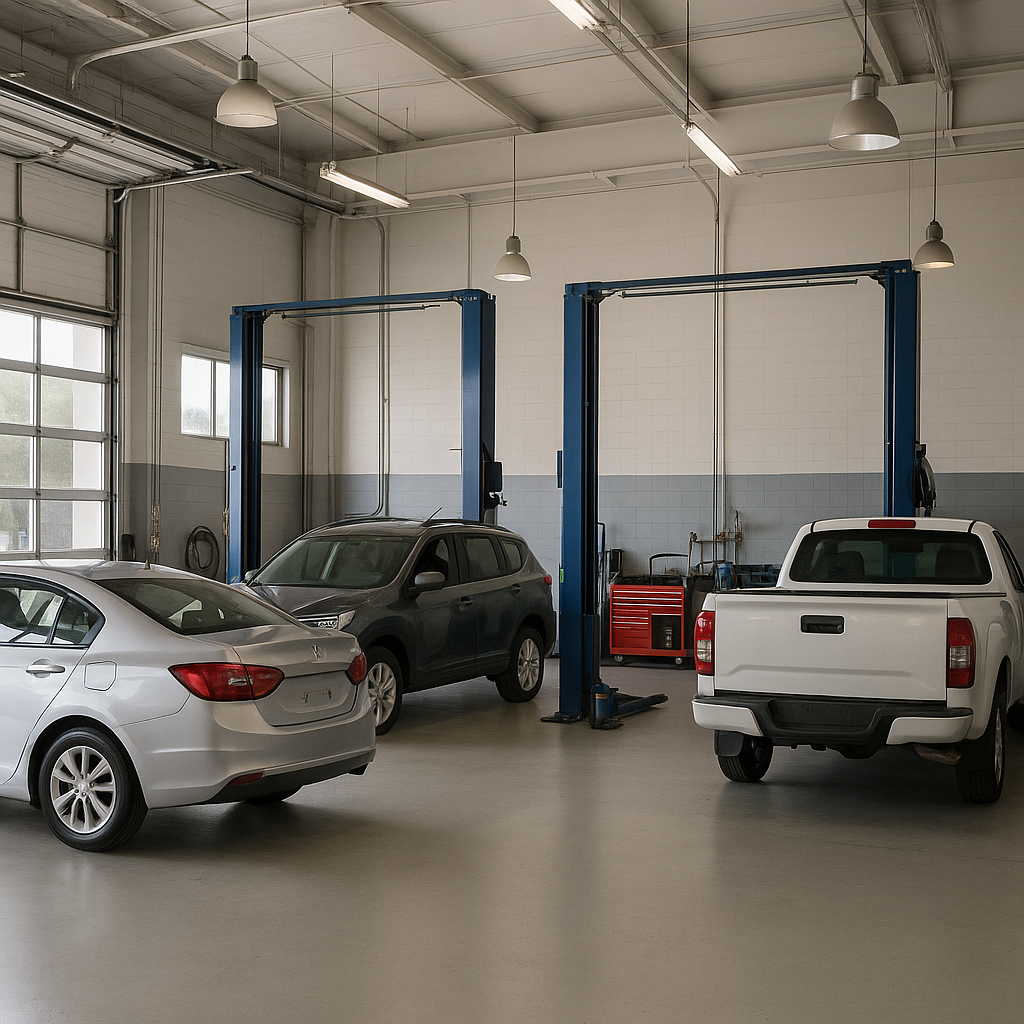
When I’m helping a shop owner choose the best garage keepers insurance, I start with one simple question: “Do you have the coverage that actually responds when a customer vehicle is damaged while it’s in your care?” A lot of policies sound similar at first glance, but the details—limits, deductibles, how “care, custody, and control” is handled, and what’s excluded—are what determine whether you’re truly protected.
At PTL Insurance, we focus on matching the right coverage structure to how your business operates. Whether you’re repairing vehicles, storing them between services, running a detail bay, or coordinating towing/pickup, we help you build a program that makes sense for real-world risk—not just for a quote spreadsheet.
In this guide, I’ll walk you through what “garage keepers” insurance covers, how to compare options, and what you should ask for when you request quotes. Along the way, I’ll also explain how other lines—like 3pl warehouse insurance for storage-focused operations—can intersect with the way your business manages customer property.
What “Best Garage Keepers Insurance” Really Means
People say “best” when they mean different things: the lowest price, the highest limits, the easiest claims process, or the coverage that won’t leave gaps. In practice, the best garage keepers insurance is the one that lines up with your exact exposure—especially your customer-vehicle risk while those vehicles are in your custody.
Garagekeepers and care, custody, and control
Garage keepers coverage is designed for situations where customer property—most commonly customer vehicles—is damaged while it’s in your care. Many commercial policies involve “care, custody, and control” concepts, and garage keepers coverage is typically the part of the program that helps pick up the exposure that standard liability forms may otherwise exclude. Progressive Commercial describes garagekeepers legal liability as protecting customer vehicles in your care, custody, and control.
Put simply: if you’re moving, storing, repairing, or servicing customer vehicles, you should expect garage keepers coverage to be a core part of your risk management—not an optional afterthought. ([progressivecommercial.com](https://www.progressivecommercial.com/coverages/garage-keepers-liability/?utm_source=openai))
Garage keepers vs. “regular” garage liability
This is where many businesses get tripped up. General liability or “garage liability” may address some premises and operations risks, but it’s not always the coverage that responds for physical damage to customer vehicles while they’re under your responsibility. Insureon explains the practical difference: garage keepers insurance covers damage or theft of a customer’s vehicle while it’s in your care, custody, or control. ([insureon.com](https://www.insureon.com/blog/garage-keepers-vs-garage-liability-insurance?utm_source=openai))
My rule of thumb: if your business touches customer vehicles in a way that creates physical-damage exposure, you should ask specifically for garage keepers legal liability (and understand how the policy is structured).
Coverage Components to Compare Before You Pick a Policy
Two quotes can look “close” but still be materially different. The best garage keepers insurance is usually the one with the cleanest match between your operations and the coverage terms.
1) The vehicle damage trigger (what it covers)
Start by confirming what types of losses are covered. Garage keepers forms commonly focus on physical damage and theft concerns for customer vehicles while they are in your custody. Progressive Commercial also frames garagekeepers protection as specifically safeguarding customer vehicles while in your care, custody, and control. ([progressivecommercial.com](https://www.progressivecommercial.com/coverages/garage-keepers-liability/?utm_source=openai))
Then confirm how the policy treats:
- Repair/service activity (inside the shop)
- Storage/parking between drop-off and pickup
- Vehicle movement (moving cars within the lot, road testing, or authorized driving)
- Keys and access (how keys are secured and controlled)
- Vehicles under tow/pickup (if that applies to your operations)
2) Limits and deductibles (what it pays, and what you pay first)
When clients ask me how to compare policies, I tell them to look beyond the premium. The details matter:
- Per-vehicle limit (what happens if a single vehicle has a large loss)
- Aggregate limit (what happens if losses happen across multiple vehicles)
- Deductibles (and whether the deductible applies per occurrence, per vehicle, etc.)
- How the policy responds (primary vs. excess structure, if applicable)
Even a “strong” premium can become expensive if your deductible structure is mismatched to your risk tolerance or typical vehicle values.
3) Exclusions and coverage gaps (where claims can get denied or reduced)
This is the part many owners skip until they need it. I encourage you to ask what’s excluded, because garage keepers exposures can vary based on how vehicles are stored (indoor vs. outdoor), how keys are handled, and whether your operation includes towing or pickup.
Coverage gap awareness is also why I recommend working with an independent broker. A one-car decision can become a systemic problem if your form doesn’t match your actual workflow.
How to Request a Quote (So You Get Comparisons That Mean Something)
Getting a garage keepers quote isn’t just about filling out a form. The “best” outcome usually comes from giving insurers the information they need to rate you accurately—and asking follow-up questions when something is unclear.
Information we typically gather at PTL Insurance
To place coverage intelligently, I ask for details that affect how insurers view risk and how policies attach. While every carrier and program can vary, the goal is consistent: align your coverage with your operation.
- What your business does (repair, detailing, storage, towing-related services)
- Where customer vehicles are kept (indoors, outdoors, fenced lot, parking arrangement)
- Whether vehicles stay overnight and how long they’re typically in your care
- Security practices (gates, cameras, lighting, alarm systems)
- Maximum customer vehicles at one time
- Maximum value per customer vehicle and total customer-vehicle value exposure
- Driving/road testing practices (if any)
- Claims and loss history (if available)
Progressive Commercial also describes “care, custody, and control” as an important concept and notes that garagekeepers legal liability is part of the options used to address that type of exposure. ([progressivecommercial.com](https://www.progressivecommercial.com/business-resources/care-custody-control/?utm_source=openai))
Don’t just ask for “garage keepers”—ask for the structure
When you request quotes, use language that forces clarity. For example:
- “Is this garagekeepers legal liability, and how does it attach?”
- “What are the per-vehicle and aggregate limits?”
- “How do deductibles apply?”
- “Does the policy include coverage for the way we store and move vehicles?”
If the answers aren’t specific, that’s a sign you should keep shopping—or ask for a clearer explanation before you commit.
Where Progressive Fits (and How to Use a “Progressive Quote” Strategically)
Some owners want to start with “progressive” because they’ve heard the name and want a quick path to a number. If you’re considering a “progressive” garage keepers insurance quote, the best approach is to use it as a benchmark—not as your final decision without checking coverage details.
Progressive Commercial coverage options
Progressive Commercial provides an online quote path for garagekeepers legal liability and describes the coverage as safeguarding customer vehicles in your care, custody, and control. ([progressivecommercial.com](https://www.progressivecommercial.com/coverages/garage-keepers-liability/?utm_source=openai))
Here’s what I recommend: get the quote, then compare the quote structure (limits/deductibles/terms) to what other carriers offer through an independent broker. That way, you can decide based on coverage quality, not just price.
Why independent advice still matters
Even if “progressive” gives you a solid starting price, you still want to confirm that your policy handles your operational realities: overnight vehicles, storage setup, security, and whether your services create additional risk.
That’s also where other lines can influence your overall risk program. For example, specialty businesses sometimes assume “one policy covers everything,” but coverage choices can depend on how exposures attach. I’ll share a few parallels below, including 3pl warehouse insurance.
Specialty Operations: Parking Lots, Towing, and Storage-Like Exposures
Many garage owners don’t run a “classic” repair shop only. Some operate like storage hubs, some coordinate towing flows, and some manage vehicles with warehousing-style processes. If that sounds like you, you need to think beyond a basic liability mindset.
When your business starts to resemble warehousing: 3pl warehouse insurance
If you’re storing customer property in a way that resembles logistics—staging items, managing inventory-like flows, and holding goods for others—you may find that your coverage needs start to look like what people purchase in logistics environments.
That’s where 3pl warehouse insurance concepts can become relevant. I’m not saying your operation is automatically a 3PL (you’ll know best), but I am saying the risk thinking can overlap: custody of other people’s property, security controls, and how claims are handled when something goes wrong.
For garage keepers specifically, the underlying theme is the same: you’re managing property that isn’t yours. The “best” coverage usually understands that custody exposure clearly.
Security practices can affect what coverage is available
Insurers often want to see how you reduce the likelihood and severity of loss. That can include:
- Gated access and controlled entry
- Lighting in vehicle storage areas
- Camera coverage with clear retention policies
- Alarm systems where appropriate
- Key control procedures
You don’t need to over-engineer your system, but you do need reasonable, documented practices.
Common Questions Owners Ask Me (Including Costs)
Let’s address the questions I hear most often. I’ll be direct: I can’t quote your exact premium from here, and costs can vary widely by location, vehicle values, limits, deductibles, and loss history. But I can tell you what to ask for and how to think about pricing so you can compare intelligently.
Is there a “6 pack charter boat insurance cost” to worry about?
You might be wondering about unrelated insurance like 6 pack charter boat insurance cost—especially if you own both a business and a hobby/asset with separate risks. While that’s a different product line than garage keepers, the decision approach is similar: you want coverage that matches the actual risk and your operational structure.
If you ever compare policies across industries, the key lesson stays consistent: “best” means alignment, not just the lowest price.
What about aircraft insurance and quotes?
Same idea. If you’re also dealing with aircraft insurance and considering a quote, the underwriting lens changes (and often coverage forms are specialty lines), but the comparison method doesn’t. Clarify triggers, exclusions, limits, and how coverage attaches to the specific activity.
That’s also why insurers may treat “progressive” and other carriers differently by program. When you use quotes as benchmarks, you avoid the trap of “one number equals one answer.”
How PTL Insurance Helps You Choose the Best Garage Keepers Insurance
At PTL Insurance, my job isn’t to sell a policy—it’s to help you make a confident coverage decision. That means I focus on how your business actually operates and how your customers’ vehicles are handled end to end.
When we build your program, we aim for:
- Coverage clarity—so you know what will respond if there’s vehicle damage or theft while the vehicle is in your custody.
- Appropriate limits—so a single high-value loss doesn’t overwhelm your structure.
- Reasonable deductibles—so you can absorb what you’ll have to pay first.
- Less guesswork—because the “best” policy is the one you understand before a claim.
Want to learn how to think about your quote process?
If you’d like to see how we approach quote accuracy and tailoring, read our guide on personalized insurance quotes and what data drives the price. It’s one of the best ways to understand why two businesses with the same job title can still get different insurance results.
Need broader business coverage planning beyond garage keepers?
Garage keepers doesn’t operate in isolation. If you want a bigger-picture view of commercial coverage logic, our commercial liability insurance guide explains how liability protection fits into real business exposures—so you can better judge where garage keepers adds critical value.
Prefer a targeted, Florida-focused approach?
Because property and risk vary by region, I also recommend learning how we explain specialty concerns in South Florida. If you’re evaluating multiple policy types for your business and property, start with our commercial insurance South Florida guide for an organized checklist of essential coverages and local risk considerations.
Practical Checklist: How to Decide If You Have the Best Garage Keepers Insurance
If you only take one thing from this article, let it be this checklist. Before you sign, verify these points.
- We matched garage keepers to your operational reality (repair/detail/storage/towing-related services).
- We confirmed care, custody, and control handling for customer vehicles in your responsibility period.
- We compared limits and deductibles side by side, not just the premium.
- We reviewed exclusions so we understand what won’t be covered.
- We documented security and controls (keys, access, lighting, cameras, gated areas) where relevant.
- We verified the quote includes the coverage structure you need—not a vague “basic” form that misses the exposure.
If you can check each of those boxes, you’re much closer to true “best” coverage—and you’ll be in a stronger position when it’s time to file a claim.
Final Thoughts: Don’t Choose Garage Keepers Insurance Blind
I tell every shop owner the same thing: the best garage keepers insurance isn’t the one that sounds good—it’s the one that responds correctly when a real loss happens.
Start by understanding how garagekeepers legal liability is meant to protect customer vehicles in your care, custody, and control. ([progressivecommercial.com](https://www.progressivecommercial.com/coverages/garage-keepers-liability/?utm_source=openai)) Then use quotes—whether they’re from “progressive” or other carriers—as benchmarks. Finally, work with an advisor who will help you compare terms, not just numbers.
If you’re ready to get clarity, PTL Insurance can help you review your current program and build a more complete solution. Our goal is simple: help you protect your customers’ vehicles, your business operations, and your peace of mind.

