
General Contractor Insurance: 10 Essential Tips for 2025 Success
Protecting Your Construction Business: The Essentials
General contractor insurance is specialized coverage designed to protect construction businesses from financial losses due to accidents, property damage, injuries, and lawsuits. If you’re searching for information about this crucial protection, here’s what you need to know:
General Contractor Insurance at a Glance:
* What it is: A collection of insurance policies custom to construction risks
* Who needs it: All general contractors, regardless of business size
* Core coverages: General liability, workers’ compensation, commercial auto, tools & equipment
* Average cost: $500-$2,000 annually for general liability; varies by trade, location, and business size
* Legal requirements: Varies by state; often needed for licensing and contracts
Running a construction business exposes you to unique risks every day. From accidents on job sites to damage to client property, the financial consequences of unexpected events can be devastating without proper protection.
As a general contractor, you face liability from multiple angles – client injuries, property damage claims, and even lawsuits alleging negligence or faulty workmanship. The right insurance package creates a safety net that allows you to focus on what you do best: building and managing successful projects.
I’m Niki Perez, and after years in Real Estate Management Services before joining PTL Insurance, I’ve seen how proper general contractor insurance protects construction businesses from devastating financial losses and helps them thrive even when the unexpected happens.
Simple general contractor insurance glossary:
– business insurance for contractors
– commercial general liability coverage
– general liability and workers comp insurance
How this guide is structured
This comprehensive guide serves as your roadmap to understanding general contractor insurance. We’ve organized it to help you steer the complex world of construction insurance with ease. You’ll find sections covering the basics, core policies, legal requirements, costs, risk management strategies, and the process of obtaining the right coverage. Feel free to jump to the sections most relevant to your needs or read through the entire guide for a complete understanding.
General Contractor Insurance Explained
General contractor insurance is more than just paperwork—it’s your safety net in a high-risk industry. Think of it as a collection of policies specially designed to protect your construction business from the dangers you face every time you step onto a job site. Most clients and project owners won’t let you swing a hammer until you’ve shown proof of insurance, and many state licensing boards require specific coverages before you can even bid on projects.

Let’s face it—construction is risky business. The numbers tell a sobering story: according to the CDC construction injury data, our industry accounts for about 20% of all worker fatalities despite employing only 6% of the workforce. That’s a statistic none of us wants to be part of. Beyond keeping your team safe, you’re also responsible for property damage, completed operations claims, and injuries to clients or passersby.
When we talk about general contractor insurance, we’re typically looking at two main categories: liability coverage (protecting you when others claim you caused harm) and property coverage (protecting your own tools, equipment, and assets).
Why general contractors need it
Even if you run the tightest ship in the construction business, you’re still exposed to risks that could sink your company without proper insurance. Here’s the reality of why you need general contractor insurance:
When that homeowner stops by to check on their renovation and trips over an extension cord, breaking their ankle, you could be facing a $75,000 lawsuit for medical bills and lost wages. That’s not hypothetical—it happened to one of our clients who thankfully had coverage.
Property damage happens in an instant. A ladder slips, a window breaks, or your equipment damages existing structures. Without insurance, you’re writing those checks from your own account.
Legal fees are budget-killers. Even when a claim against you has no merit, you’ll still need legal representation that can cost tens of thousands of dollars before you ever see the inside of a courtroom.
Your reputation is everything in this business. Having proper insurance tells clients you’re professional, responsible, and prepared—exactly the kind of contractor they want to hire.
As one construction risk management expert put it: “When a client files a claim because someone was injured on your site, general liability may cover medical bills and legal fees. Without it, these costs come directly from your business assets or personal finances.”
What general contractor insurance covers
Your general contractor insurance package is like your toolbox—full of different solutions for different problems. Here’s what’s typically covered:
Bodily injury protection kicks in when someone who isn’t your employee gets hurt on your job site. This could be a client, a delivery person, or even someone who wandered in where they shouldn’t be. Your insurance helps with their medical expenses, lost wages, and your legal costs if they sue.
Property damage coverage protects you when your work accidentally damages someone else’s property. Dropped a hammer through a custom glass table? This is your safety net.
Completed operations is your long-term protection. If a ceiling you installed collapses six months after you’ve completed the job, this coverage helps with the fallout.
Defense costs cover attorney fees, court expenses, and settlements when you’re facing a covered claim. Without this, defending yourself could cost more than the claim itself.
Personal and advertising injury protection helps if you’re accused of libel, slander, copyright infringement, or invasion of privacy in your business operations or advertising.
What general contractor insurance does NOT cover
Understanding what’s NOT covered is just as important as knowing what is. Your standard general contractor insurance won’t help with:
Intentional acts are never covered. If you deliberately cause damage or injury, you’re on your own.
Workmanship warranty issues aren’t typically covered. If you need to repair or replace your own faulty work, that’s generally coming out of your pocket (though damage resulting from the faulty work might be covered).
Employee injuries require workers’ compensation insurance. Your general liability policy won’t help when your crew gets hurt on the job.
Auto-related incidents need separate commercial auto coverage. Accidents involving your vehicles fall outside standard general liability protection.
Professional errors in design, planning, or advice require professional liability coverage. This is especially important if you offer design services alongside construction.
Your own tools and equipment typically need separate inland marine or tools coverage to protect against damage or theft.
At PTL Insurance Associates, we’ve spent over 35 years helping contractors steer these complexities. We know that understanding what you’re protected against—and what you’re not—is the first step toward building a secure business foundation.
Core Policies in a Contractor’s Toolkit
A comprehensive general contractor insurance program isn’t one-size-fits-all—it’s more like a custom toolkit with several essential policies working together to protect your business from different angles.

General Liability—The Cornerstone
Think of general liability as the foundation of your insurance protection—without it, everything else might crumble when trouble strikes. This vital coverage defends your business when clients, visitors, or passersby experience injuries or property damage related to your work.
Most contractors carry the industry-standard $1,000,000 per occurrence and $2,000,000 aggregate limits. These aren’t just arbitrary numbers—they represent the minimum protection most project owners and licensing agencies require before you can even pick up a hammer.
Your general liability policy quietly stands guard, protecting you against common scenarios like a visitor tripping at your job site, damage to a neighbor’s property during construction, or even claims arising months after you’ve completed a project. It even covers less obvious risks like advertising injuries if you accidentally use someone else’s slogan or copyright material.
Want to dive deeper into how this coverage specifically protects builders? Our guide on General Liability Insurance for Contractors breaks it down further.
Workers’ Compensation & Employee Safety
If you have employees swinging hammers or operating machinery, workers’ compensation isn’t optional—it’s a legal necessity in most states. This protection does double duty: it provides crucial benefits to workers injured on the job while simultaneously shielding your business from potentially bankrupting lawsuits.
The construction industry’s dangers are well-documented. OSHA research identifies construction’s “Fatal Four” hazards—falls, being struck by objects, electrocutions, and caught-in/between incidents—which account for nearly 60% of construction worker deaths. These sobering statistics highlight why proper coverage matters.
When an employee gets hurt, workers’ comp steps in to cover medical expenses, rehabilitation costs, partial wage replacement, and even death benefits for dependents. In New York, general contractors pay around $329 monthly for this protection—a worthwhile investment considering what’s at stake.
Specialty & Add-On Coverages
Beyond the basics, several specialized coverages fill important gaps in your protection plan:
Commercial auto insurance keeps your business moving when accidents happen on the road. With contractors in New York paying about $267 monthly for this coverage, it protects the vehicles that transport your teams and materials to job sites.
Tools & equipment coverage (often called inland marine insurance) protects those expensive drills, saws, and specialized equipment whether they’re at your office, traveling between sites, or being used on a job. Without this protection, replacing stolen or damaged tools comes straight from your pocket.
Builder’s risk insurance stands guard over projects under construction, protecting against fires, theft, vandalism, and certain weather events that could otherwise derail your timeline and budget.
Other valuable protections include professional liability insurance for design-build contractors, pollution liability for when hazardous materials are involved, and increasingly important cyber liability coverage as more of your business operations move online.
For a fuller picture of how these coverages work together to protect your construction business, check out our comprehensive guide to Business Insurance for Contractors.
Legal Must-Haves & State-By-State Nuances
General contractor insurance requirements aren’t one-size-fits-all—they change dramatically depending on where you work. Understanding these local differences is essential to keeping your business compliant and your license intact.

Across most states, you’ll need a core package of coverages: general liability insurance to protect against third-party claims, workers’ compensation if you have employees, commercial auto insurance for your business vehicles, and often surety bonds to guarantee your work and licensing requirements.
But here’s where it gets tricky—each state has its own rules about how much coverage you need. California contractors need to post a $15,000 license bond, while Florida might require general liability limits of $300,000/$50,000 for general contractors.
Many contractors are surprised to learn they can’t even get licensed without first showing proof of insurance. And if you’re handling specialized work involving hazardous materials, you might need specific EPA certifications on top of everything else.
“I thought I had all my paperwork in order until I tried pulling a permit in a neighboring county,” shares Mike, a contractor client of ours. “Their insurance requirements were completely different, and I nearly lost a week of work scrambling to update my coverage.”
New York spotlight: what’s required
New York contractors face some of the most demanding insurance requirements in the country. If you’re working in the Empire State, be prepared for:
General Liability Insurance averaging about $115 per month—and you won’t get your contractor’s license without it in most NY cities and counties. This coverage is non-negotiable.
Workers’ Compensation costs NY contractors around $329 monthly. If you have even one employee, you need this coverage—no exceptions.
Commercial Auto Insurance runs about $267 monthly for New York contractors. Given the traffic and risk factors in urban areas like NYC, this coverage is particularly important.
Surety Bonds are required by many local municipalities before they’ll issue your contractor license. The amounts vary by location and project scope.
The licensing process in New York adds another layer of complexity. You’ll typically need to pass a written exam, provide proof of insurance, secure appropriate bonds, pay licensing fees, submit professional references, and possibly hold EPA certifications depending on your specialty.
Do laws differ for subcontractors?
Absolutely! The legal landscape changes significantly when we’re talking about subcontractors versus general contractors. This creates both challenges and opportunities.
Independent vs. W-2 status matters tremendously. Independent subcontractors generally need their own separate insurance policies, while employees fall under your workers’ compensation coverage. Misclassifying workers can lead to serious penalties.
Pass-through liability is a real concern. As a general contractor, you can be held responsible for mistakes your subcontractors make, even if you did everything right. This is why many savvy contractors insist their subs carry robust insurance.
Additional insured requirements provide critical protection. By requiring subcontractors to name your company as an additional insured on their policies, you create an extra shield against claims arising from their work.
Documentation is your best defense. Always collect and maintain certificates of insurance from every subcontractor. Check expiration dates regularly and verify coverage meets your project requirements.
“As a general contractor, you should only hire subcontractors who have their own liability insurance,” advises our senior risk consultant. “Otherwise, you could be financially responsible for any damage or injuries they cause—potentially putting your entire business at risk.”
Understanding these state-specific requirements isn’t just about compliance—it’s about protecting the business you’ve worked so hard to build. The right coverage, custom to your location’s specific demands, creates the foundation for sustainable growth and peace of mind.
Dollars & Sense: Cost of General Contractor Insurance
The price tag of general contractor insurance can feel like solving a complex puzzle – with pieces that change depending on who you are and what you do. Let’s break down what really drives these costs so you can budget smartly and maybe even save a few dollars along the way.

Most general contractors can expect to pay somewhere between $500 and $2,000 annually for basic general liability coverage. But that’s just a starting point – I’ve seen premiums range much higher, especially for larger operations or contractors in riskier trades.
Your premium isn’t pulled from thin air. Insurance companies look at several key factors when calculating your costs. Your business size and revenue play a major role – larger companies with more money flowing through them naturally face higher premiums. Your payroll figures directly impact workers’ compensation costs, which rise in proportion to what you’re paying employees.
Where you work matters too. Your location can dramatically shift costs – a contractor in Miami might pay very different rates than one in Tallahassee, even with identical operations. And let me tell you, your specific trade makes an enormous difference. A roofer working 30 feet up generally pays substantially more than someone installing kitchen cabinets.
Your business history tells a story that insurers pay close attention to. Previous claims can follow you for years, potentially raising your rates. Similarly, newer businesses often face higher premiums until they establish a track record. And naturally, the coverage limits and deductibles you choose directly impact what you’ll pay – higher protection means higher premiums.
| Trade Type | Low-Risk Premium Range | High-Risk Premium Range |
|---|---|---|
| Carpentry | $700-$1,500/year | $2,000-$3,500/year |
| Electrical | $650-$1,300/year | $1,800-$3,000/year |
| Plumbing | $550-$1,200/year | $1,700-$2,800/year |
| Roofing | $3,000-$5,000/year | $7,000-$15,000/year |
| General Contractor | $500-$2,000/year | $2,500-$10,000/year |
How to lower your rates
The good news? You’re not stuck with whatever rate quote lands in your inbox. There are practical ways to trim those premium costs without sacrificing the protection your business needs.
Bundling policies is perhaps the easiest win – combining multiple coverages with one insurer can knock 10-25% off your total bill. It’s like buying in bulk at Costco, but for insurance. Speaking of savings, many contractors don’t realize that implementing formal safety programs can qualify them for significant discounts. Those safety meetings you’ve been putting off? They might actually pay for themselves.
Consider choosing higher deductibles if your cash flow allows it. You’ll pay more out-of-pocket when something happens, but your monthly premiums will shrink. And don’t overlook the value of working with an independent broker like us at PTL Insurance Associates. We shop multiple carriers to find you the sweet spot of coverage and affordability that captive agents simply can’t match.
Your claims history follows you like a shadow. Maintaining a clean record through proper risk management keeps premiums lower year after year. And here’s a simple tip many miss: paying annually instead of monthly often comes with a nice discount. It’s a bigger hit at once, but saves money over time.
Many contractors don’t realize that insurers often create specialized programs for specific industries. These custom packages can offer better rates and coverage designed specifically for the risks you face every day.
For more ways to optimize your coverage while keeping costs manageable, check out our detailed guide on General Liability and Workers Comp Insurance.
Managing Risk Beyond the Policy
While insurance is essential, effective risk management extends beyond just purchasing policies. Implementing proactive strategies can help prevent claims and control costs.
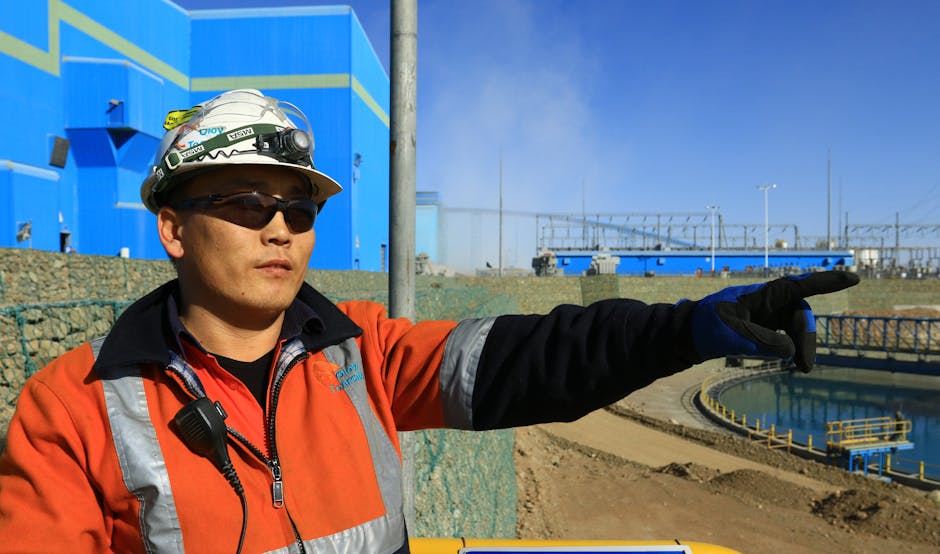
Subcontractor vetting & management
One of the most significant risk factors for general contractors is subcontractor management. The quality of your subcontractors directly impacts your project success and liability exposure.
Start with thorough vetting by checking licenses, references, and reviewing their past work. This initial screening can save you countless headaches down the road.
Next, always verify insurance coverage by requesting certificates of insurance from all subcontractors. This isn’t just paperwork—it’s protection. I’ve seen contractors face devastating financial losses when an uninsured subcontractor caused damage.
Always use clear written contracts that specify insurance requirements, indemnification provisions, and detailed scope of work. Verbal agreements leave too much room for misinterpretation and disputes.
Don’t just check insurance once and forget it. Regular monitoring throughout the project ensures subcontractors maintain active coverage from start to finish. Set calendar reminders to request updated certificates before old ones expire.
Finally, maintain meticulous documentation of all subcontractor qualifications, insurance certificates, and performance records. If a claim ever arises, this documentation will be your best defense.
Certificates & Additional Insureds Made Easy
Certificates of Insurance (COIs) are critical documents that verify your coverage, and managing them doesn’t have to be complicated.
At PTL Insurance Associates, we understand that waiting for certificates can delay projects, so we typically provide them within 24 hours—often the same day you request them. This quick turnaround keeps your projects moving forward without insurance-related delays.
The digital revolution has made certificate management much simpler. Many insurers now offer online portals or mobile apps that allow you to generate and share certificates instantly. This convenience is invaluable when you need proof of insurance outside normal business hours.
Project owners, general contractors, and property managers will often require being added as additional insureds on your policy. This extends certain protections from your policy to these parties, giving them peace of mind about your work.
A waiver of subrogation is another common requirement that prevents your insurer from seeking reimbursement from other parties after paying your claim. This can be particularly important for maintaining good relationships with clients and partners.
For more information on contractor insurance certificates and requirements, our Contractors Insurance page offers detailed guidance custom to your needs.
Surety Bonds: Guaranteeing Performance
Surety bonds aren’t insurance policies—they’re guarantees of performance that provide an additional layer of financial security for your clients.
Bid bonds guarantee you’ll honor your bid terms and sign the contract if awarded the project. These bonds prevent contractors from submitting low-ball bids only to back out or raise prices later.
Performance bonds ensure you’ll complete the project according to contract specifications. If you fail to meet obligations, the bond covers the cost of completing the work—up to the bond amount.
Payment bonds guarantee you’ll pay subcontractors, suppliers, and laborers. These bonds protect against mechanic’s liens that could cloud property titles if project-related bills go unpaid.
License bonds are required by many states as part of the licensing process. They protect consumers against contractor violations of licensing laws.
Surety bonds typically cost between $10-$20 per month for a $10,000 bond, though costs vary based on the bond amount, your credit score, and financial history. Consider them an investment in your business credibility rather than an expense.
Keeping tools safe on the road
Tool theft is a significant problem that can derail projects and eat into profits. The National Equipment Register estimates construction equipment theft costs the industry up to $1 billion annually.
Inland marine insurance provides specialized coverage that protects tools and equipment whether at your office, in transit, or at job sites. This coverage fills the gaps left by standard property policies that might only cover items at specific locations.
Implementing strong security measures makes a tremendous difference. Use locked toolboxes, secure storage containers, and vehicle alarm systems. Many contractors have found success with heavy-duty lockboxes bolted to truck beds or trailers.
Maintain detailed inventory records of all tools and equipment, including serial numbers and photos. This documentation proves ownership and facilitates insurance claims if theft occurs. A simple spreadsheet or specialized app can make this task manageable.
For high-value equipment, consider installing GPS trackers that alert you to unauthorized movement. These devices have become more affordable and can help recover stolen items quickly before they disappear permanently.
Finally, improve job site security with proper lighting, surveillance cameras, and controlled access. Something as simple as a well-lit work area can dramatically reduce theft risk, while creating a safer environment for everyone on site.
By combining general contractor insurance with these proactive risk management strategies, you create a comprehensive shield for your business that not only responds to problems but helps prevent them in the first place.
Buying & Maintaining the Right Coverage
Getting the right general contractor insurance isn’t just about checking boxes—it’s about protecting everything you’ve built with your own two hands.

When you sit down with an insurance professional, they’re going to ask about the nuts and bolts of your business. Think of it as similar to bidding a job—they need the specs before they can give you an accurate quote. They’ll want to know about your business structure (whether you’re a sole proprietor or incorporated), what licenses and certifications you hold, your projected gross receipts for the year, and details about your payroll.
They’ll also dig into how much work you subcontract out, the specific types of projects you tackle, and whether you’ve had any claims in the past. All these factors help paint a picture of your risk profile.
“Most contractors I work with are surprised by how much their business details affect their premiums,” says Niki Perez of PTL Insurance. “The difference between primarily doing interior renovations versus roofing can literally mean thousands of dollars in premium costs.”
Step-by-step to get general contractor insurance
Getting covered doesn’t have to be complicated. Here’s how to nail down the right protection for your business:
First, gather your documentation. This includes business licenses, projected revenue figures, payroll records, and any subcontractor agreements you use. Having these ready saves time and helps ensure accurate quotes.
Next, take stock of your coverage needs. What do your contracts require? What does your state mandate for licensing? What keeps you up at night worrying? Make a list of must-haves versus nice-to-haves.
When you’re ready, compare quotes from multiple carriers. This is where working with an independent broker like PTL Insurance Associates really pays off—they can shop around for you, saving hours of phone calls and form-filling.
Don’t just look at the price tag when you review policy details. Check the coverage limits, exclusions, and any special endorsements. The cheapest policy isn’t a bargain if it leaves crucial gaps in your protection.
Once you’ve found the right fit, bind your coverage by completing the application and making your initial payment. Your broker will then help you obtain certificates of insurance—those all-important documents that prove to clients, project owners, and licensing authorities that you’re properly covered.
Insurance isn’t “set it and forget it.” Schedule annual reviews of your coverage as your business grows and changes. That renovation contractor who starts taking on new construction needs different protection than when they started.
Working with an independent broker
There’s a world of difference between calling a captive agent who can only offer one company’s products and partnering with an independent broker who shops the entire market for you.
At PTL Insurance Associates, we don’t just sell policies—we build relationships. We take the time to understand the unique challenges of your construction business, whether you’re a one-person operation or managing dozens of employees and subcontractors.
Personalized advice means we’ll flag coverage gaps you might not have considered. Did you know your general liability policy probably doesn’t cover that expensive drone you use for roof inspections? We do, and we’ll make sure it’s protected.
With access to multiple carriers, we can find options that balance comprehensive coverage with competitive pricing. That’s especially valuable in today’s hardening insurance market, where rates continue to climb for contractors.
Our 35+ years in Miami means we understand Florida’s unique construction challenges—from hurricane considerations to the state’s particular licensing requirements. We speak your language and know your business.
When you have questions or need to file a claim, our ongoing support means you’re never navigating the insurance maze alone. We’re your advocates throughout the entire process.
And with annual reviews, we ensure your coverage grows alongside your business. Taking on larger projects? Expanding into new service areas? We’ll adjust your protection accordingly.
For more details on how we can tailor coverage to your specific contracting business, check out our Business Insurance page.
“The right insurance broker becomes part of your business team,” says a PTL client who’s been with us for over a decade. “They’re as important as your accountant or attorney in keeping your business protected and profitable.”
Frequently Asked Questions about General Contractor Insurance
What factors determine cost the most?
When it comes to general contractor insurance costs, not all factors carry equal weight. In my years helping contractors find coverage, I’ve seen three elements consistently drive premiums more than anything else:
Your payroll size sits at the top of the list, especially for workers’ compensation. This makes perfect sense—more employees mean more potential for workplace injuries. A small renovation contractor with two employees will pay significantly less than a commercial builder with a team of twenty.
Your trade classification might impact your rates even more dramatically. The truth is, insurance companies view certain trades as inherently riskier than others. A roofer working three stories up faces different dangers than a flooring installer, and premiums reflect this reality. I’ve seen roofing contractors pay three to five times more than interior finishing contractors with similar-sized operations.
Finally, the size and type of projects you typically handle play a crucial role. Taking on larger commercial projects or specialized construction (like high-rises or industrial facilities) typically requires higher coverage limits and specialized endorsements—all of which affect your bottom line.
Of course, your location, claims history, years in business, and selected coverage limits all contribute to your final premium, but they generally don’t swing costs as dramatically as the big three factors above.
Does general contractor insurance cover subcontractors automatically?
This is one of the most common questions I hear from contractors, and the answer is straightforward: No, your general contractor insurance doesn’t automatically extend to subcontractors.
The smartest approach is requiring all your subs to carry their own comprehensive insurance. Always collect certificates of insurance before they set foot on your jobsite, ensuring their coverage limits match or exceed yours. Have them name your company as an additional insured—this provides you an extra layer of protection if their work leads to problems.
Some policies do allow you to add subcontractors as temporary employees, but I rarely recommend this route. It typically drives up your premiums substantially, and often provides less comprehensive protection than having properly insured subcontractors.
Every contractor’s situation is unique, though. I always suggest sitting down with your insurance broker to discuss the specific subcontractor arrangements for your business and develop a custom strategy that protects you without unnecessary costs.
Is a surety bond the same as insurance?
Though they’re often mentioned in the same breath, surety bonds and insurance serve fundamentally different purposes. This confusion leads many contractors to misunderstand their protection.
Insurance exists to protect you, the contractor. When something goes wrong—like property damage or an injury—your insurance steps in to cover costs so they don’t come out of your pocket. The insurance company expects to pay claims sometimes; that’s built into their business model.
Surety bonds, on the other hand, protect your clients and project owners from your potential failure to meet obligations. Think of bonds as a promise backed by financial muscle. If you don’t complete work as promised or fail to pay subcontractors, the bonding company covers the client’s losses—but then comes after you for reimbursement.
I like to explain it this way: insurance transfers your risk to the insurance company, while bonds transfer your client’s risk to the bonding company (who then holds you accountable).
Both play important roles in a comprehensive risk management strategy, but they function very differently. Understanding this distinction helps you make smarter decisions about protecting your construction business.
Conclusion
General contractor insurance is not just a legal requirement or contract obligation—it’s a fundamental business tool that protects your livelihood and enables growth. Without proper coverage, one accident or lawsuit could potentially destroy everything you’ve worked to build.
By understanding the core coverages, legal requirements, cost factors, and risk management strategies outlined in this guide, you’re well-equipped to make informed decisions about your insurance program.
At PTL Insurance Associates, we’ve been helping Miami contractors steer these complex waters for over 35 years. Our personalized approach ensures you get the protection you need without paying for coverages you don’t.
Insurance needs evolve as your business grows. Regular reviews with your broker help ensure your coverage keeps pace with your changing operations.
For more information about our business insurance services or to discuss your specific needs, visit our Business Insurance page or contact us today. We’re here to help you build a solid foundation of protection for your contracting business.